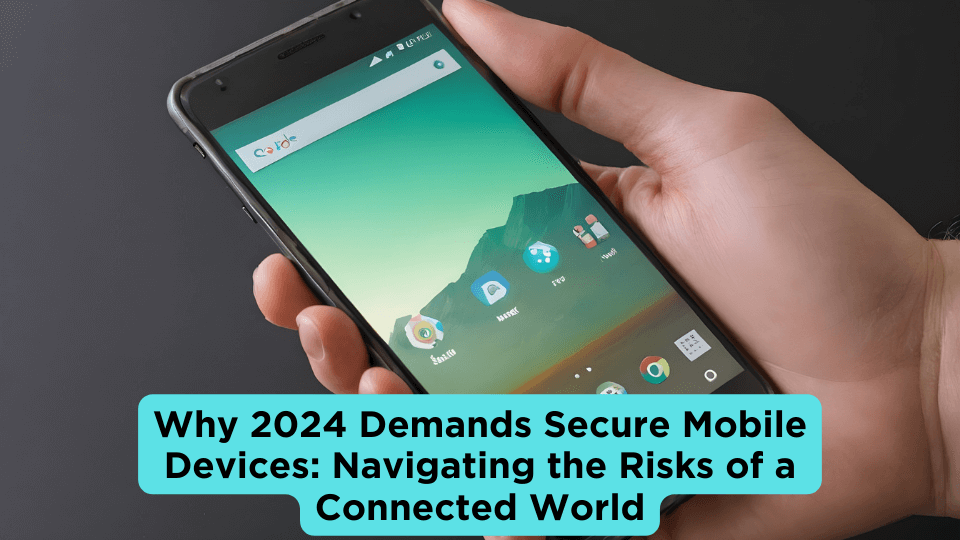



Google has yet again confirmed a Chrome zero-day security vulnerability. This is the fourth exploit of this nature in 2018. It is being used by hackers to cyber attack Android and Windows users. Google has warned users to upgrade their Chrome browsers immediately. Google claims it is aware of the attack and is working to fix it. I advise chrome users to be cautious when using Chrome on the device.
Google suggests that users only trust websites. Users should avoid clicking links and downloading files from unscrupulous sources. Google also recommends that users keep their Chrome browser current to protect themselves against such attacks.
I have warned one hundred million Android users around the globe about a new, terrifying threat. It strikes when you least expect it. Hackers have created a way to deceive customers into believing their phones are off.
Cybercriminals have created a fake black screen to hide their true intentions. To make sure that victims aren’t suspicious, they also shut off lights and disabled notifications from far away.
They can do whatever they like on your phone, and you won’t even know.
There is software that can damage computers and networks. Malware may be in the form of spyware, viruses, or ransomware. Malware can spread via email attachments, Social Media links, and infected websites. It is also possible to install malware on a computer without user consent.
What’s a virus?
Viral malware replicates itself and spreads to other computers. Viruses can cause system crashes and damage to files. We can also use them for stealing personal information, such as passwords or credit card numbers.
What’s Spyware?
Spyware is malware that collects information without the consent or knowledge of the victim. Spyware is able to track an individual’s online activities, steal personal information and display unwanted ads.
What’s Ransomware?
Ransomware is malware that encrypts files and demands a ransom to unlock them. Ransomware can spread via email attachments, Social Media links, and infected websites. Someone can also install it on computers without the consent or knowledge of the user.
How can you protect yourself from malware?
You can take steps to prevent malware from getting into your computer.
Do not click on any unknown links or attachments. Don’t trust links and attachments that come from untrustworthy or unknown sources. If you receive an email from someone you don’t know, don’t open it. Do not open attachments from people you don’t know.
Downloads from the Internet: Be cautious about what you download. Only trustful sources should be used to download programs and files.
Software updates are important. Make sure all the software is current. They often include security patches in software updates that can help protect your computer against malware.
Don’t share personal information online.
Use a secure browser: Use a secured browser like Mozilla Firefox or Google Chrome. These browsers can protect your privacy and keep you online safe.
Back up your files regularly. In the event that you have to restore files after a malware attack, back them up.
Mobile Malware Awareness: Learn as Much as You Can About It. Keep up-to-date about the latest threats, and how you can avoid them.
How to deal with Malware on Your Device?
There are several things you should do if you suspect malware infects your device.
Does a security scanner: Run a scan to identify malware and viruses? Many free scans are available online.
Keep your apps up-to-date: Security patches are often included in updates that protect your device against malware.
You can restore your device to factory settings if you suspect malware has infected your device. This will erase all data, including malware, from your device.
Contact customer service: If your device still seems infected, contact your anti-virus software support or the manufacturer of your device. They might be able to assist you in removing the malware.
Choose the most secure phone to protect your privacy against hackers, spying, and government officials.
Is your business class private mobile phone secure against cyber attack?
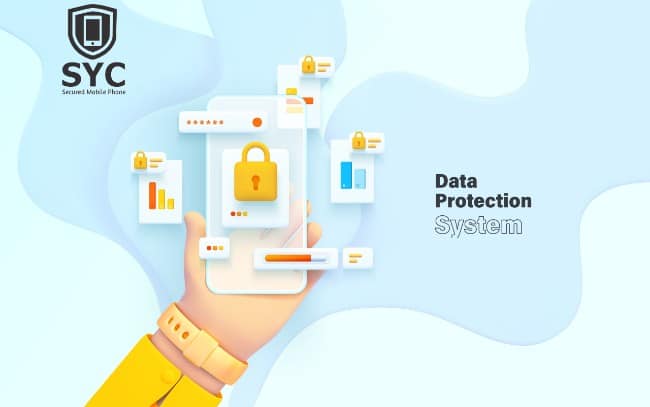
SYC Secured phone is a trusted partner that keeps your business data confidential. It also protects you from hackers with its advanced, secured algorithm. SYC phone employs highly skilled security advisors to deliver top-quality mobile security solutions with a low risk of data theft.
SYC Secured phone is a data security company that has launched two highly untraceable mobile phones and Secure Encrypted phone cell phones & smartphones, the Samsung Galaxy S22+ Ultra and Samsung S22+. These phones will protect your professional and personal data from any cyber attack. Get in touch to learn more about the device’s features.